❗ NOT ALL THE LINES ARE REBOLTED, SO CHECK TWICE ALL OF THEM BEFORE CLIMBING❗
☀️SUN DURING THE DAY:
•In the afternoon
🧭 EXPOSURE:
•South East
🧱ROCK TYPE:
•The rock here is Limestone.
📆 BEST PERIOD:
•The Best period is for sure Winter
👪 FAMILY FRIENDLY:
•NO
📱PHONE SIGNAL:
•YES
🇬🇧
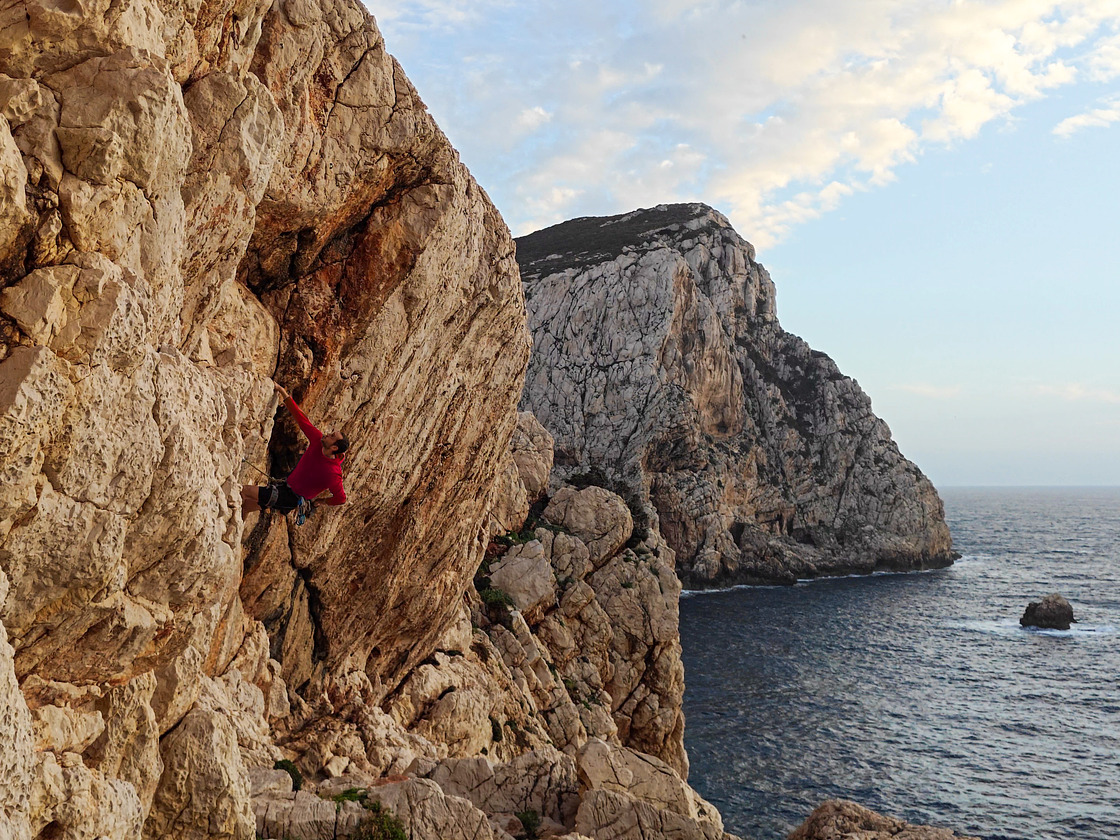
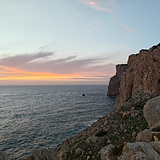
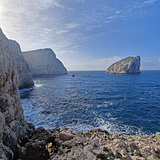
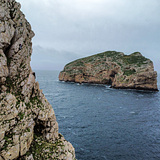
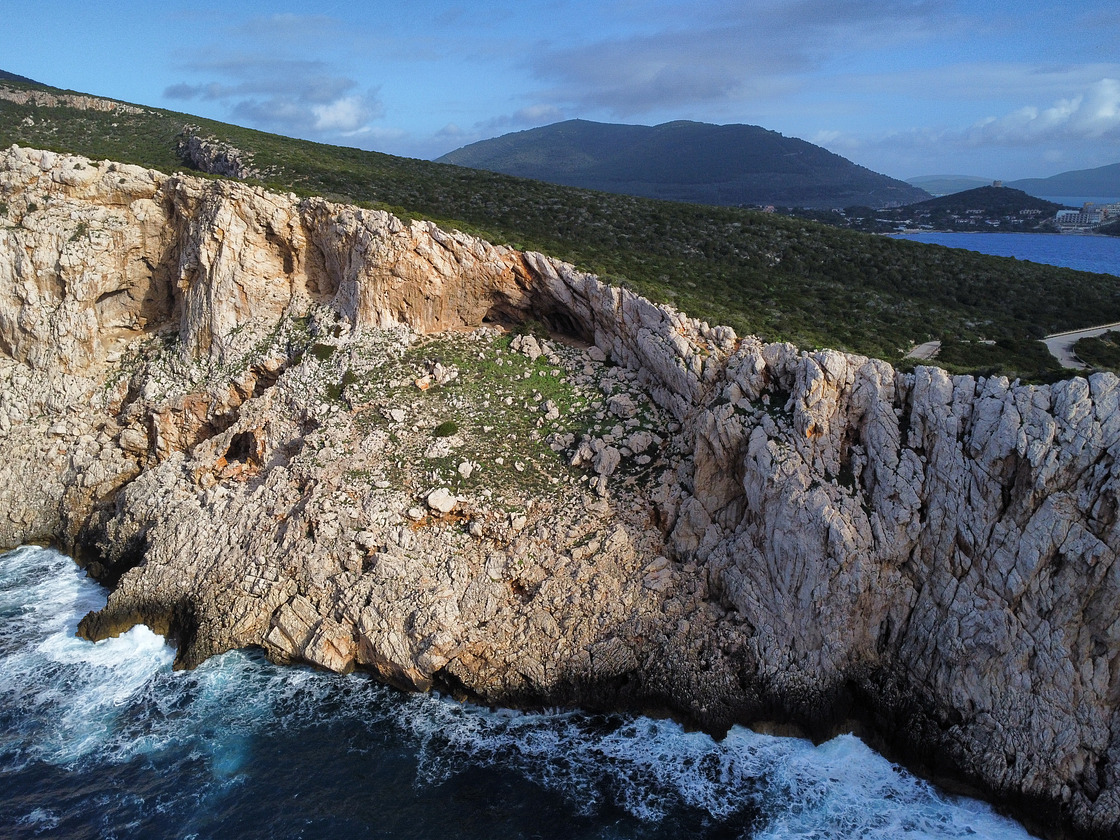
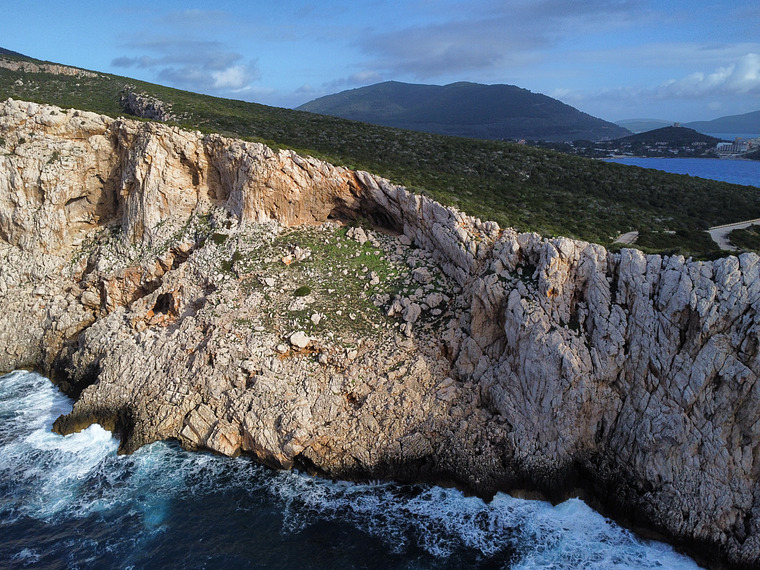
⛰️Casarotto is an exceptionally beautiful crag, one of those places that leaves a lasting impression from the very first glance. With only a five-minute approach and excellent shelter from the Scirocco wind, it is an ideal destination for winter climbing. The sun reaches the wall in the afternoon, providing pleasant conditions even on colder days.
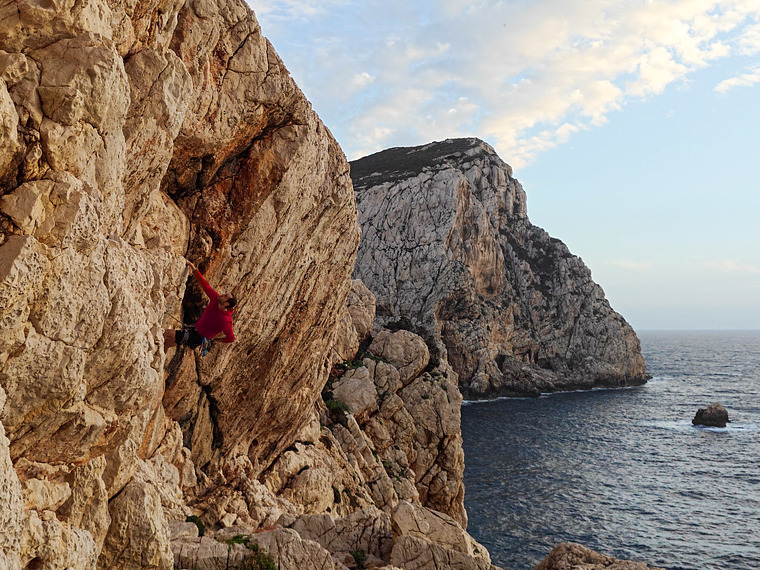
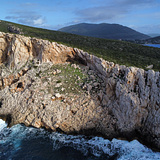
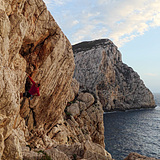
The climbing is predominantly steep and overhanging, developing directly above the sea and offering a truly unique experience, both technically and visually. The setting is breathtaking: the contrast between the rock, the sea, and the light creates an extraordinary atmosphere. Routes range from fifth grade up to eighth grade, with several projects still waiting to be sent, highlighting the great potential of the area.
In addition to single-pitch routes, there are also some very beautiful multipitch climbs that allow for a more complete experience of the crag. The rock is a high-quality white-and-orange limestone, solid and well-featured, providing varied and engaging climbing throughout.
Overall, Casarotto is a magnificent place, one of those rare spots that truly stay with you—somewhere you would genuinely cross the world to see and climb at least once.
One downside is that on humid days the combination of sea salt and the very smooth nature of the rock does not always provide optimal grip. For this reason, it is advisable to avoid very hot and humid days, when friction can be significantly reduced.
🇮🇹
⛰️Casarotto è una falesia di straordinaria bellezza, uno di quei luoghi che colpiscono fin dal primo sguardo. Con appena cinque minuti di avvicinamento e un’ottima protezione dal vento di Scirocco, rappresenta una scelta ideale per l’arrampicata invernale. Il sole raggiunge la parete nel pomeriggio, garantendo condizioni piacevoli anche nelle giornate più fredde.
L’arrampicata è prevalentemente strapiombante e si sviluppa a picco sul mare, regalando un’esperienza unica sia dal punto di vista tecnico sia paesaggistico. Il colpo d’occhio è impressionante: il contrasto tra la roccia, il mare e la luce rende il contesto semplicemente spettacolare. Le vie spaziano dal quinto grado fino all’ottavo, con la presenza di alcuni progetti ancora da liberare, a testimonianza del grande potenziale del settore.
Oltre alle monotiri, sono presenti anche delle multipitch molto belle e interessanti, che permettono di vivere la falesia in modo più completo. La roccia è un calcare bianco-arancione di ottima qualità, solido e lavorato, che offre un’arrampicata varia e sempre coinvolgente.
Nel complesso, Casarotto è un posto magnifico, uno di quei luoghi rari che lasciano il segno e per i quali varrebbe davvero la pena attraversare il mondo pur di scalarci anche solo una volta. Un punto a sfavore è che, nelle giornate umide, la salsedine e la natura molto liscia della roccia non garantiscono sempre un grip ottimale.
Per questo motivo è consigliabile evitare le giornate molto calde e umide, quando l’aderenza può risultare particolarmente compromessa.