.❗ CHECK TWICE THE STATE OF ALL OF THE LINES BEFORE CLIMBING❗
☀️SUN DURING THE DAY:
•In the afternoon
🧭 EXPOSURE:
•Mainly West
🧱ROCK TYPE:
•The rock here is Limestone.
📆 BEST PERIOD:
•The Best period is always
👪 FAMILY FRIENDLY:
•NO
📱PHONE SIGNAL:
•YES
🇬🇧
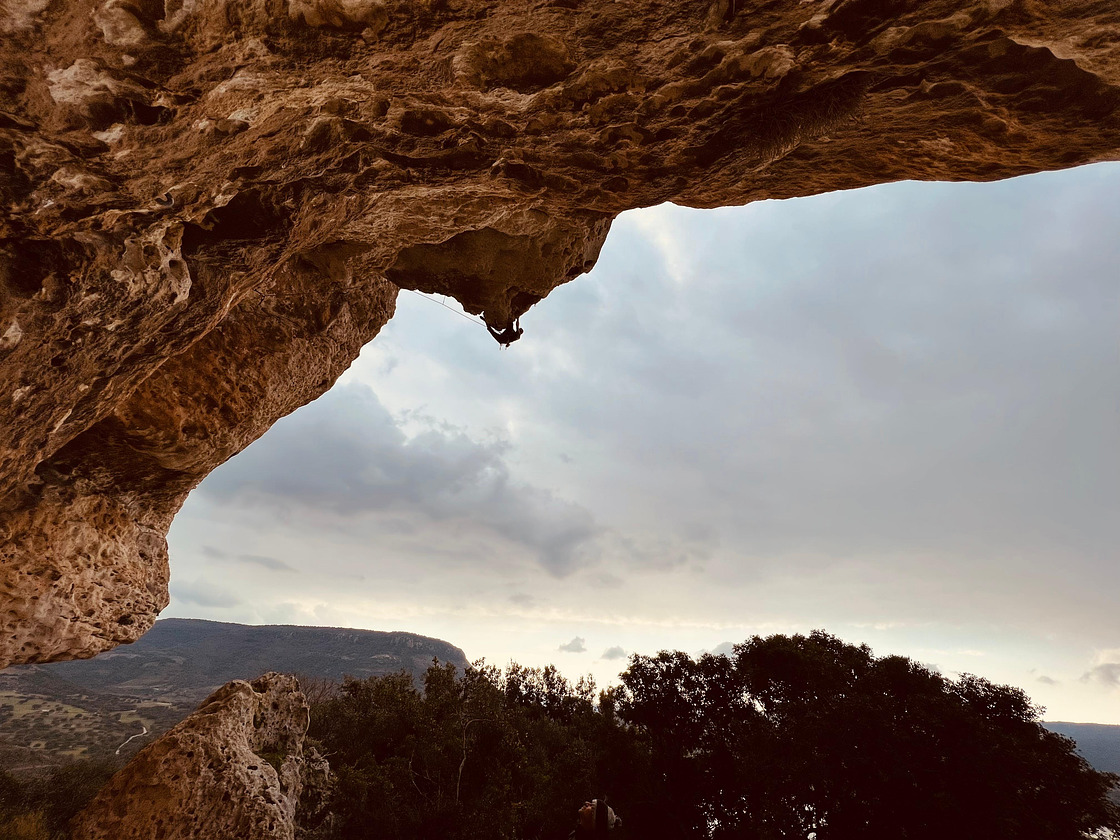
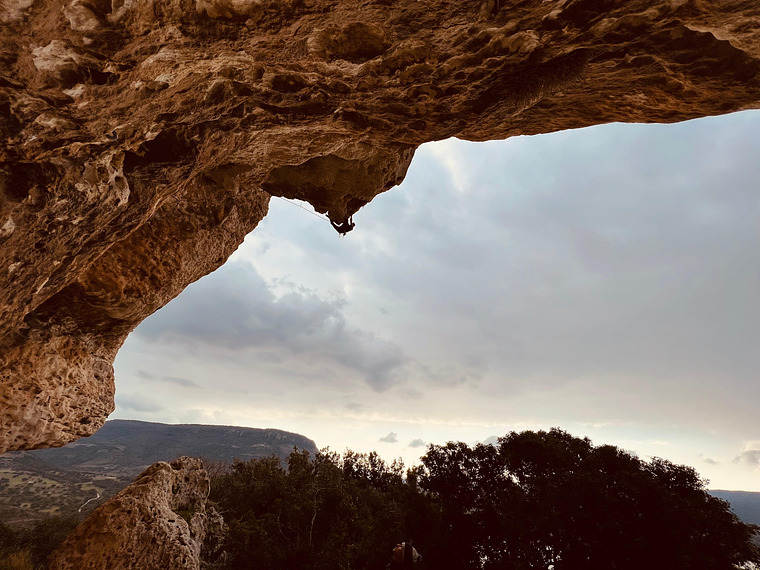
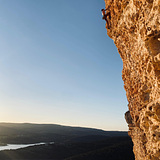
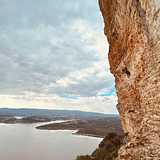
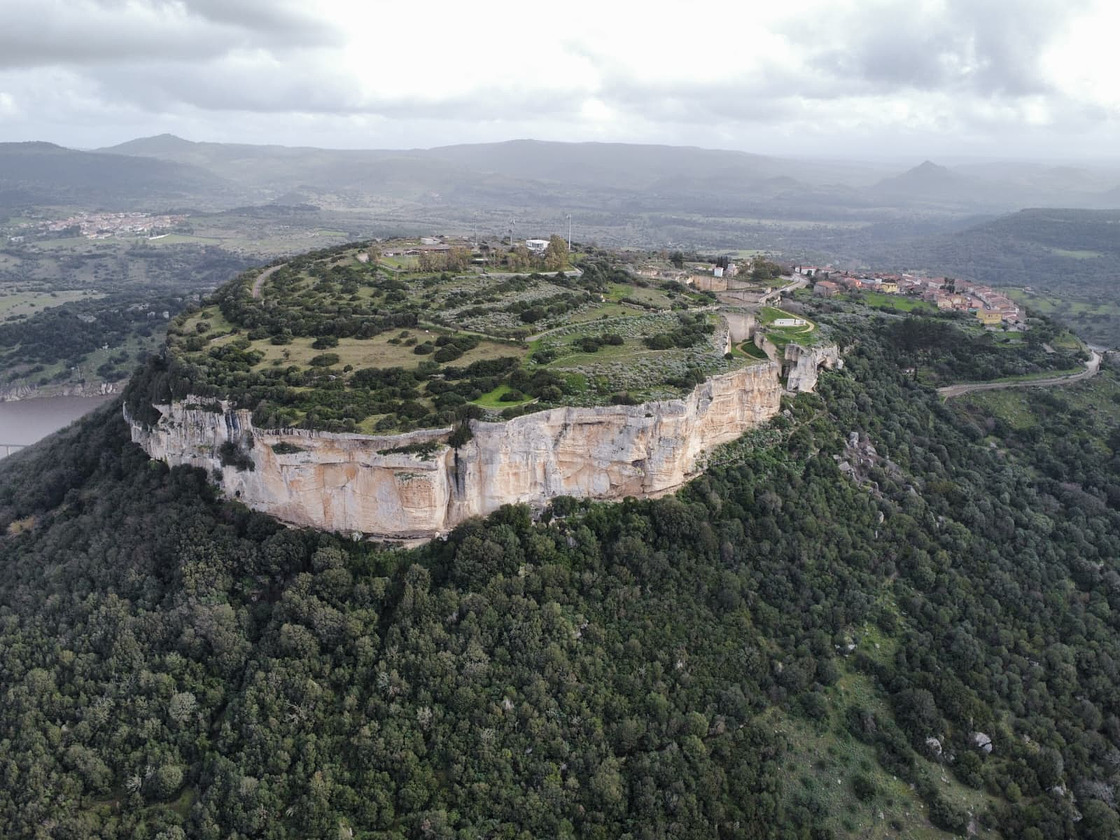
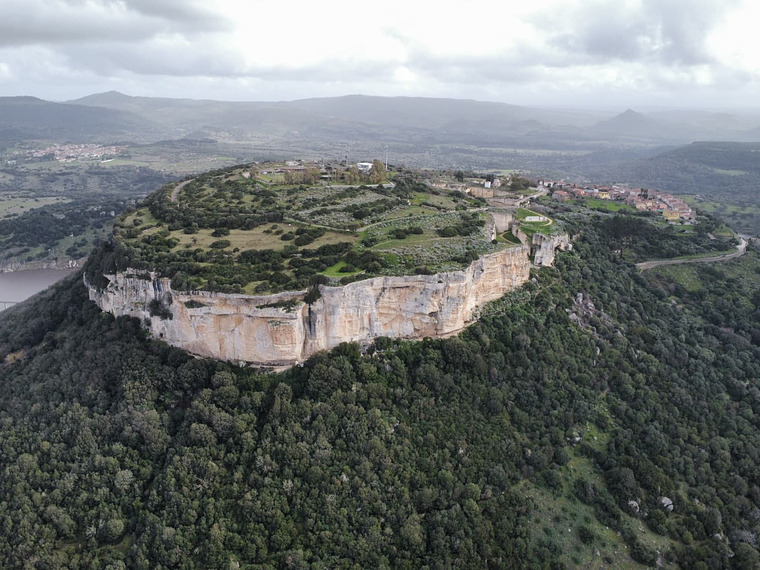
⛰️Rocca Doria is without a doubt one of the most beautiful crags in northern Sardinia. Climbing here means moving above the waters of Lake Temo, in a truly spectacular and unique setting. The limestone closely resembles that of Finale Ligure: solid, abrasive, and porous, offering excellent friction.
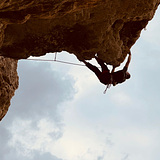
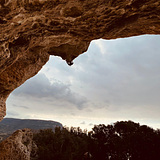
The climbing is varied and complete. You move from technical vertical walls to steep, endurance-oriented sections, all the way to powerful horizontal roofs. Cracks and diheders are also present, making the style diverse and demanding. It is never trivial climbing: technique, strength, and endurance constantly alternate, requiring solid fitness and good movement efficiency.
The bolting is modern and reliable, with well-placed resin bolts. The environment feels wild yet accessible, and thanks to the highly abrasive and fast-drying rock, parts of the crag can often be climbed even in less-than-perfect conditions, sometimes even after light rain.
The crag is climbable almost year-round. In winter, it’s best to avoid the coldest days with strong mistral winds, while in summer the afternoon sun can be intense, making morning sessions preferable. Early in the day, the rock may be slightly damp, especially in the left sector; when that happens, the right sector usually offers better conditions.
Overall, Rocca Doria is a crag with strong character: technical, physical, panoramic, and of very high quality—a true reference point for climbing in northern Sardinia.
🇮🇹
⛰️Rocca Doria è senza dubbio una delle falesie più belle della Sardegna settentrionale. Arrampicare qui significa muoversi sospesi sopra il lago del Temo, in un contesto paesaggistico davvero spettacolare e fuori dal comune. Il calcare, per caratteristiche e stile, ricorda molto quello di Finale Ligure: solido, abrasivo e poroso, con ottimo grip.
L’arrampicata è varia e completa: si passa da muri verticali tecnici a sezioni strapiombanti di resistenza, fino a veri e propri tetti orizzontali. Non mancano fessure, diedri e linee di continuità che richiedono un buon impegno fisico e una gestione intelligente delle energie. È una scalata mai banale, dove tecnica, forza e resistenza si alternano costantemente.
La chiodatura è moderna e affidabile, con fittoni resinati ben posizionati. L’ambiente è selvaggio ma accogliente, e la qualità della roccia permette spesso di scalare anche in condizioni non perfette: essendo molto abrasiva e drenante, la falesia resta in parte scalabile persino con pioggia leggera.
Il periodo ideale va praticamente tutto l’anno. In inverno è meglio evitare le giornate più fredde e ventose con maestrale, mentre in estate conviene scalare al mattino o evitare il pomeriggio, quando il sole diventa intenso. Al mattino può capitare di trovare la roccia leggermente umida, soprattutto nel settore sinistro; in quel caso, il settore destro offre spesso condizioni migliori.
In sintesi, Rocca Doria è una falesia di grande carattere: tecnica, fisica, panoramica e di altissima qualità, un vero punto di riferimento per l’arrampicata nel nord della Sardegna.